
As I reflect at the midway point of the season, in the aftermath of a highly anticipated League Cup Semi-Final encounter at the Emirates Stadium, Newcastle United’s journey so far has resembled a rollercoaster ride unlike any in recent memory, and certainly none under the current regime. The first half of the 2024/25 season has seen the club competing domestically in both the Premier League and the Carabao Cup, delivering a series of exhilarating highs and frustrating lows. While the emotional extremes are nothing new for supporters of this great club, subtle nuances in the team’s journey hint at longer term challenges for the club moving forward.
During the close season, as written about in a previous article, grey clouds replaced the beaming blue skies which had reigned over the football club since Premier League survival was confirmed back in the 2021/22 season. Boardroom changes, instability within the first team squad, and a lack of transfer business were some of the events in the close-season which formed a tense and underwhelming feeling among supporters heading into the new season and an opening day match against Southampton.
While many Newcastle fans, both inside St James’ Park and around the country, may have expected a goal feast against the newly promoted side, the match would unfold very differently. Fabian Schär received a straight red card for his role in an altercation with Southampton’s Ben Brereton Díaz, leaving the home side a man short with three quarters of match still to play. The rest of the match would unfold with Newcastle, as they’ve shown on other occasions this season, scoring a goal against the run of play and then seeing out the match with a hard fought, disciplined defensive performance.
Although the positive results would continue during the opening weeks of the season against Bournemouth, Wolves, and Tottenham Hotspur, they masked a worrying dependence on spontaneous brilliance or luck, fleeting dominance being supplanted by an absence of control, and players appearing short of peak conditions. The performance against Bournemouth epitomised these growing trends with the opposition pressing high up the pitch, overwhelming Newcastle with their work rate and endeavour for large parts of the match. However, a fleeting spell of dominance in the second half would lead to Harvey Barnes’ ingenuity and deep cross finding Anthony Gordon at the back post to tap home the equalising goal. Lady luck was also smiling as only a VAR review and overturn would ensure a share of points when, defending a corner in the final throws of the game, Bournemouth scored only for the goal to be controversially disallowed for a handball.
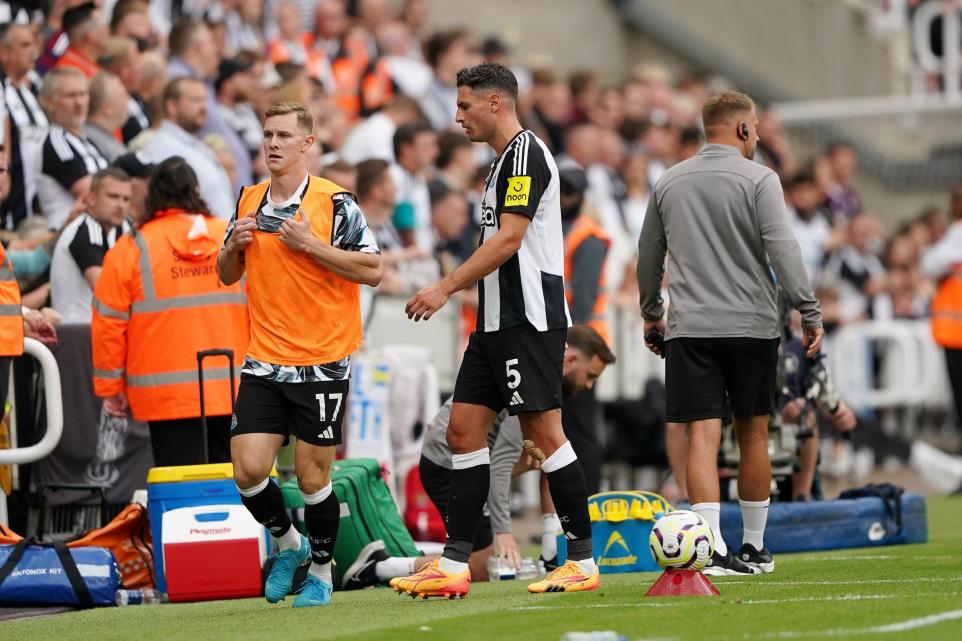
Teams making a slow start to a league season is not a new concept. As a follower of the NFL, I have become increasingly familiar with the theory that teams often use the opening month of the season as an ‘extended preseason’ to refine their tactics and bring players up to speed with the demands of a league campaign characterized by intense speed and physicality. With this in mind, it is not inconceivable to think that coaching staff and first-team players required additional time beyond the preseason to work together, form partnerships, and gradually refocus to on-field challenges over the noise created by the events in the close season.
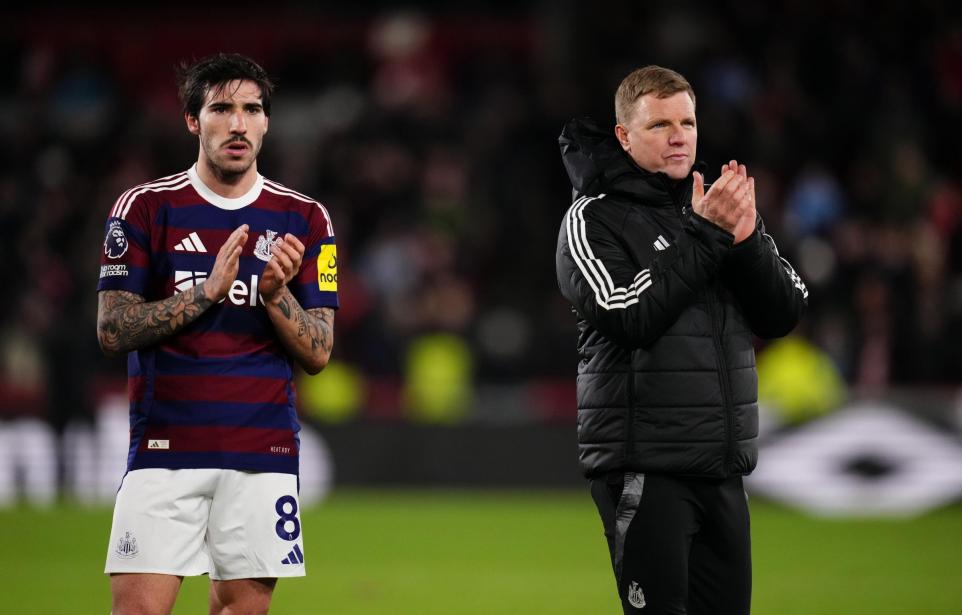
Despite an unconvincing yet positive start to the season, league defeats in the following weeks against Fulham, Brighton, and Chelsea highlighted the team’s struggles, exposing a lack of cohesion, identity, and a vulnerability to being overrun in midfield, particularly in the first of those matches. Without the defence of an unbeaten run to point to, scrutiny and criticism of the team’s performances began to intensify both locally and nationally. The early rounds of the Carabao Cup provided a welcome distraction, with the team successfully navigating ties against Nottingham Forest and AFC Wimbledon. Notably, the Forest match marked the long-awaited return of Sandro Tonali, Newcastle’s marquee signing from the previous season, following his 10-month suspension from football. Though his outing lasted only an hour before being substituted, Tonali made an immediate impact, delivering the decisive pass that unlocked the Forest defence and set up Joe Willock’s goal.
The fourth-round draw handed Newcastle a home tie against high-flying Chelsea, a familiar cup opponent from years past, though one that had often brought disappointment rather than success. On this occasion, despite facing a weakened Chelsea side, compared to their earlier league encounter, Newcastle delivered a markedly improved performance. It was a display that foreshadowed the qualities they would soon exhibit from the turn of the year: direct and clinical attacking play, a well-organized midfield capable of controlling the flow of the game, and a solid defence willing to put everything on the line to prevent a goal.
The win against Chelsea was swiftly followed by similarly impressive performances and results against title-chasing Arsenal and this season’s surprise package, Nottingham Forest. It seemed as though Newcastle United had turned a corner in their season — or so it appeared. Elevated expectations created by the recent upturn in form were quickly dashed following a two-week international break, with disappointing results and performances against West Ham and Crystal Palace. Against West Ham, old tendencies resurfaced as Newcastle gradually relinquished control to their opponents and failed to capitalize on early goal scoring opportunities, ultimately succumbing to a surprise defeat. At Crystal Palace, the travelling support witnessed a performance reminiscent of the display at Bournemouth: being overrun in midfield, lacking creativity in attack, and relying heavily on moments of brilliance — or more accurately, moments of defiance — from goalkeeper Nick Pope, whose multiple saves preserved a hard-fought point.
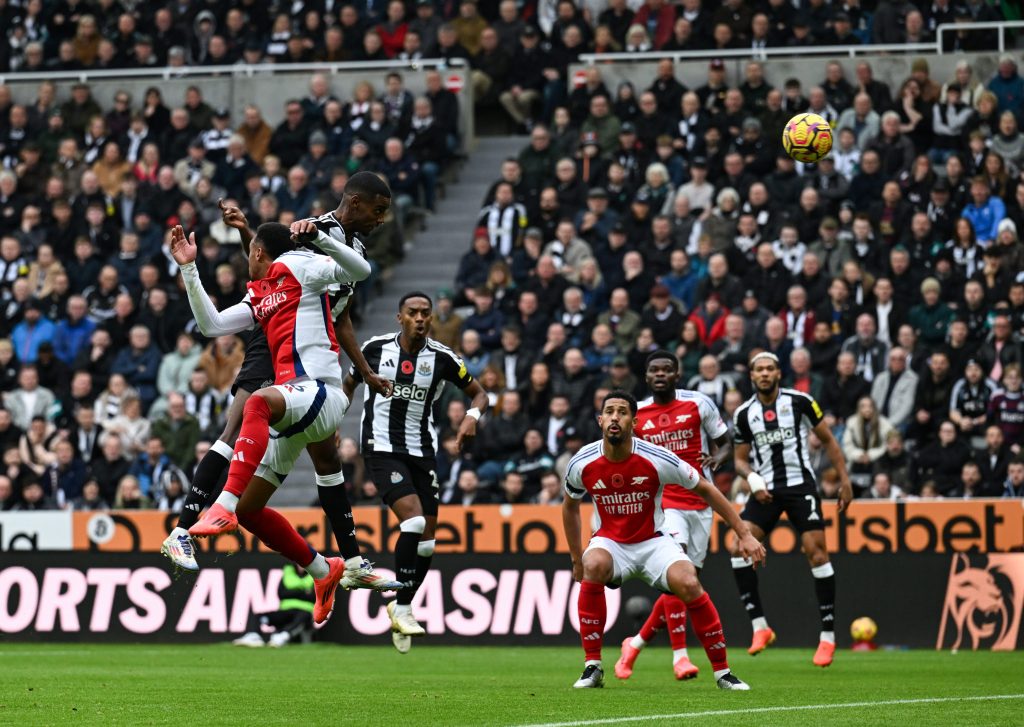
Much like a traditional rollercoaster at Blackpool Pleasure Beach, Newcastle United’s season was shaping up to be one of many highs and lows. Their form was consistently inconsistent and, much like the ascents and descents of a rollercoaster on its track, performances were volatile — marked by the lows of underwhelming displays, briefly interrupted by thrilling and exceptional highs. One consistent theme of the season so far has been the team’s ability to rise to big occasions. Among the well-renowned ‘top six’ clubs, only Chelsea managed to take all three points from Newcastle. When reigning Premier League champions Manchester City and, runaway leaders, Liverpool visited St. James’ Park in October and December, respectively, Eddie Howe’s men showcased the competitive and attacking qualities for which they are widely known: scoring goals, adopting a front-footed style of play, and displaying a committed approach that frequently unsettled their opponents.
The lowest point — and perhaps the turning point — of the season took place in West London at the Gtech Community Stadium. For as long as I had been a fan, Newcastle United’s record against Brentford was as strong as any against an opposing team, including a perfect away record in the Premier League era. However, on this severely wet and stormy day, Newcastle’s performance epitomized both the best and worst traits of their season thus far. First-half goals from the ever dependable Alexander Isak and Harvey Barnes would, on most occasions, have put the visitors in a commanding position. However, those goals merely cancelled out two from Brentford, with Newcastle’s midfield repeatedly cut apart and a retreating defence affording Brentford’s attackers too much time and space to pick their spots. Hopes from the travelling support of a second-half improvement were dashed, as the same defensive frailties persisted. Brentford scored two additional goals to end the contest, condemning the Magpies to their fifth defeat of the season and, remarkably, their last to date.
The defeat at Brentford was a jarring experience for players, coaches, and fans alike. The rollercoaster ride had reached its lowest descent, with the season’s hope and dreams giving way to disillusionment and uncertainty about where this turbulent journey would ultimately lead. However, as the festive period unfolded, it became clear that voices had been raised, harsh truths shared, and accountability demanded within the dressing room.
Starting with Leicester City and a rematch against Brentford in the Carabao Cup, Newcastle United embarked on a seven-match winning streak, averaging 2.8 goals per game while conceding just two goals in total. Not only were Leicester City, Brentford, Ipswich, and Aston Villa dispatched in convincing fashion, but the team also appeared to be rediscovering the form that had characterized the finest moments of the season: direct attacking play, controlling the flow and tempo of the game, and a defensive rearguard that prided itself on solidity. However, those rediscovered strengths would soon be tested, as the team faced the daunting task of visiting three of the ‘top six’ clubs within the span of ten days — two of which were at grounds where the club had historically poor records.
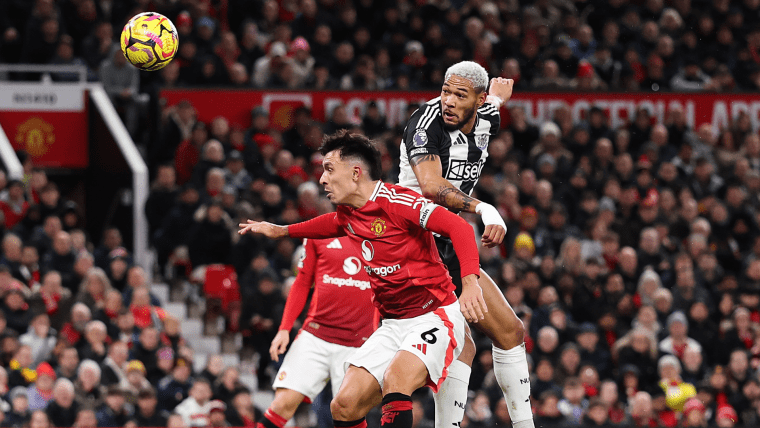
Starting at Old Trafford, Eddie Howe’s men thoroughly outclassed Manchester United, with their first-half performance highlighting the disparity between the two teams on the pitch. Next, it was on to the Tottenham Hotspur Stadium where, despite going a goal behind early, the Magpies showed resilience and determination to fight back, repel Tottenham’s best efforts, and secure a hard-fought win.
Last but not least was a trip back to North London to face Arsenal in the first leg of the Carabao Cup semi-final. This fixture, which had produced memorable and fiery moments both on the pitch and in the dugout in recent years, saw Newcastle United deliver arguably their biggest statement win of Eddie Howe’s tenure as manager. In a two-legged semi-final, where the room for error is limited, Howe’s side not only secured a multi-goal lead and a clean sheet going into the second leg, but they did so with the spirit, character, and qualities that were becoming the hallmark of their season.
On the eve of the FA Cup third-round weekend, Newcastle United’s rollercoaster season, full of highs and lows, is very much alive and well. The prospect of qualifying for top European football and/or ending the club’s long barren spell without a top domestic trophy is still within reach — something any group of supporters would wish for their club at this stage of the season. Like every rollercoaster, there are highs and lows all the way to the finish line, you come away from the ride feeling exhilarated or worse for wear. On the evidence of this rollercoaster season, I would expect to see a few more twists and turns to come between now and May. However, one thing that is always consistent with this great club…life is never dull.

 My Point of Toon
Leave a comment