
Tuesday, August 22nd 2023, 18-year-old English left-back Lewis Hall became Newcastle United’s fourth summer signing, joining Sandro Tonali, Harvey Barnes, and Tino Livramento as the club’s latest recruits ahead of a season filled with optimism and excitement at the prospect of UEFA Champions League football returning to St James’ Park after a twenty year absence. Little did we realize at the time that, despite questions over the amount of money spent on a position not deemed an urgent priority, Hall would be the club’s last major acquisition aimed at improving the first team.
Fast forward 535 days to the present day—Newcastle’s European adventure ended in dramatic fashion, a return to the competition the following season was derailed by injuries, and three transfer windows have passed without a significant signing as the club battled to stay on the right side of the infamous ‘Profit & Sustainability Rules’ (PSR). As football fans have become all too aware, PSR governs the financial performance of professional football clubs in England, with Premier League clubs permitted losses of up to £105 million over a rolling three-year period. This assessment takes into account various elements, including (but not limited to) matchday revenue, sponsorship, player wages, transfer fee amortisation, and operating costs.
While, at first glance, it may seem ludicrous that clubs, which consider themselves both business entities and sporting institutions, find it acceptable to report financial losses year after year, the main issue with the current rules is that the £105 million limit on losses is an outdated guideline. Introduced in the 2013-14 season, it has not been adjusted to reflect the sport’s growing financial resources, such as new ownership models, rising TV broadcast revenues, and economic changes like inflation.
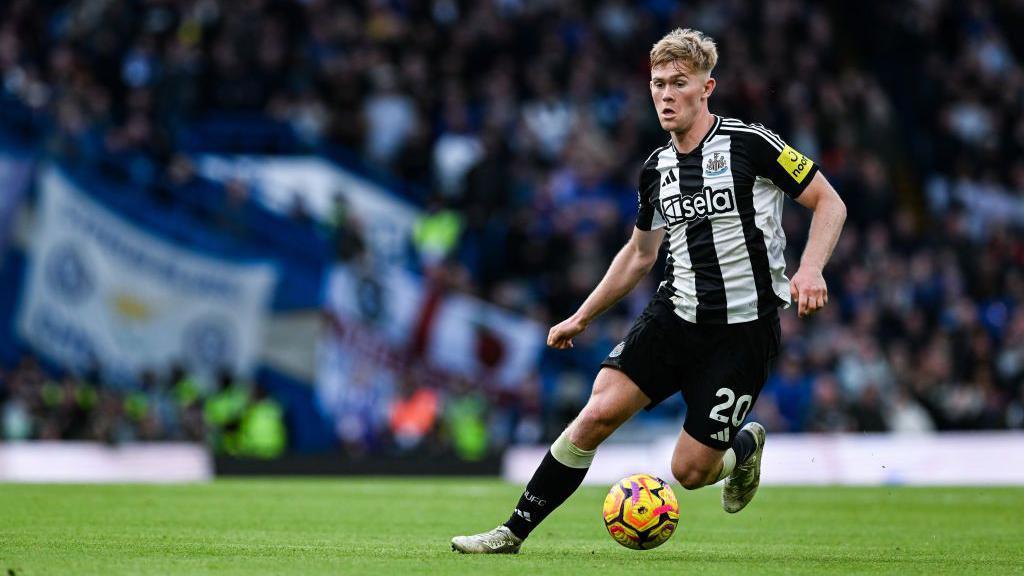
It has become apparent that PSR, despite initial claims that it was introduced to prevent the financial collapse of clubs, primarily serves to preserve the status quo at the top of the English football pyramid. It protects a core group of clubs from increased uncertainty regarding revenue tied to league positions and qualification for European competitions. As a result, it diminishes the chances of ambitious clubs, like Newcastle, rising through the ranks and challenging the established elite.
When Mike Ashley’s ownership ended in October 2021, Newcastle United’s financial state appeared to be modest, at best, with minimal investment in both the commercial and footballing operations. However, in retrospect, while Ashley’s limited investment in the football operation was enough to maintain the club’s Premier League status during the latter years of his ownership, it proved detrimental for the incoming ownership group. The club’s preference of maintaining the core group of players, rather than replenishing the squad, had left them with players on contracts that likely did not reflect their market value and made outgoing transfers difficult to negotiate. This may explain why players such as Matt Ritchie, Isaac Hayden, Jeff Hendrick, and Ryan Fraser remained on the squad list going into the 2023/24 season.
With the club sitting in the relegation zone, housing a squad combining uninspired players on inflated contracts with underperforming high-priced signings; the new ownership group’s primary focus was to significantly invest in new signings for the first-team squad to improve results and elevate the club’s profile. Despite the investment proving successful, lifting the club from relegation candidates to Champions League qualifiers in just two seasons and increasing its global visibility, the inability to balance player trading has now left them needing to rectify their finances to avoid penalties, including potential points deductions.
In 2024, Newcastle United ranked as the seventh-highest Premier League club in terms of revenue generated from the previous season, including matchday earnings, TV broadcast rights, and commercial agreements. However, the gap between Newcastle and the top six was significant, with sixth-placed Arsenal and top-ranked Manchester City generating 46% and 65% more in overall income, respectively. The main driver behind this vast gulf is crystal clear: commercial revenue. Newcastle’s income from sponsorships, partnerships, and merchandise sales totalled £48 million, while every top-six club generated nine-figure sums in this category, highlighting the immense challenge ambitious clubs face in striving to compete in the Premier League year after year.
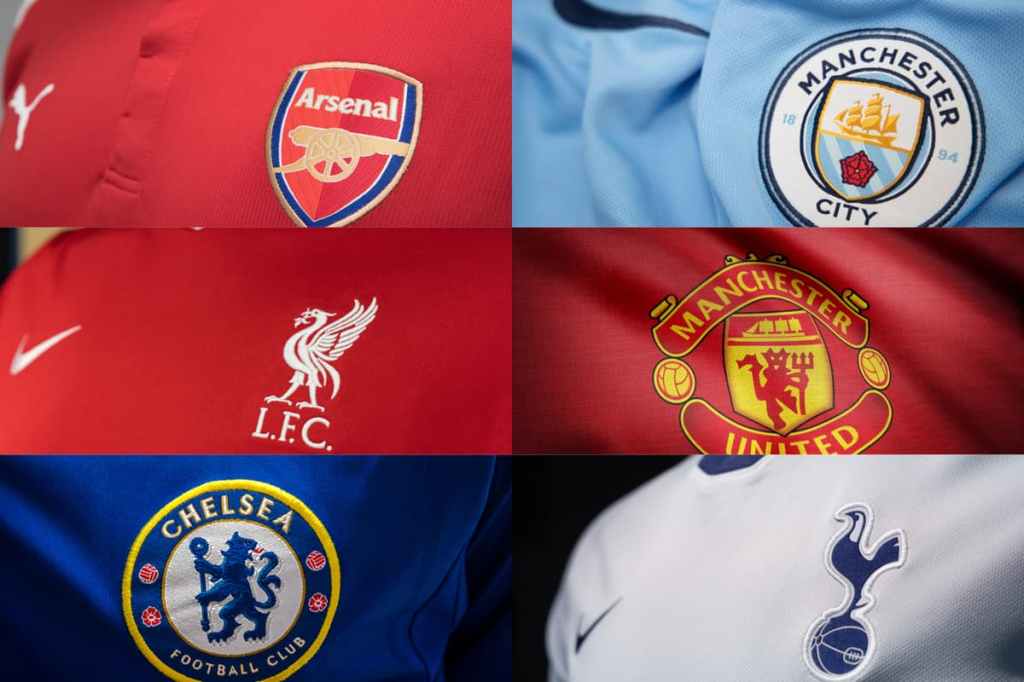
Whilst supporters yearn for clubs to build around homegrown academy players or sign established stars who remain for a significant length of time, the rules and regulations of the game do not always support this scenario. The ongoing success and growth of most football clubs centre on effectively leveraging player development and trading. Aston Villa’s recent sales of young stars Jack Grealish and Jhon Durán have served as a shining example, providing the West Midlands club with significant PSR headroom to strengthen the first-team squad with both quality and depth.
From my point of view, Newcastle United’s current predicament is akin to someone who regularly spends on lavish items using a credit card: at some point the fun slows down and you have to begin repaying what you’ve previously spent. The star signings of Bruno Guimarães and Alexander Isak among others, on top of the outlay on maintaining the existing squad and day-to-day administrative outgoings, all tallies up and eventually reaches an end-game unless player trading is executed to offset expenditure.
At this time, fair or not, the club has been forced to make difficult decisions. The sales of fan favourite Miguel Almirón and Lloyd Kelly during the January transfer window (without any incoming reinforcements) have left Eddie Howe’s squad depleted in a season where the club is on the brink of domestic cup glory and competing for a Champions League place next season. While the board’s decisions may be a necessary evil in service of a greater good, they have left the club’s fortunes on the pitch this season to chance and a bit of good luck - dependent on form, suspensions, and injuries. Only time will tell whether those decisions were the right ones.
The enforcement of PSR - a system based on antiquated rules, voted on by member clubs within their respective leagues - reflects both the rapid erosion of sporting competition and the monopolization of the most lucrative league positions by some of the game’s biggest clubs. Without regulatory changes to create more opportunities to compete across every aspect of the game, Newcastle United, like many other aspiring clubs, must rely on maximizing footballing resources, strategic planning, and calculated risks off the pitch to close the gap. Crucially, this must be a sustained effort over multiple seasons.
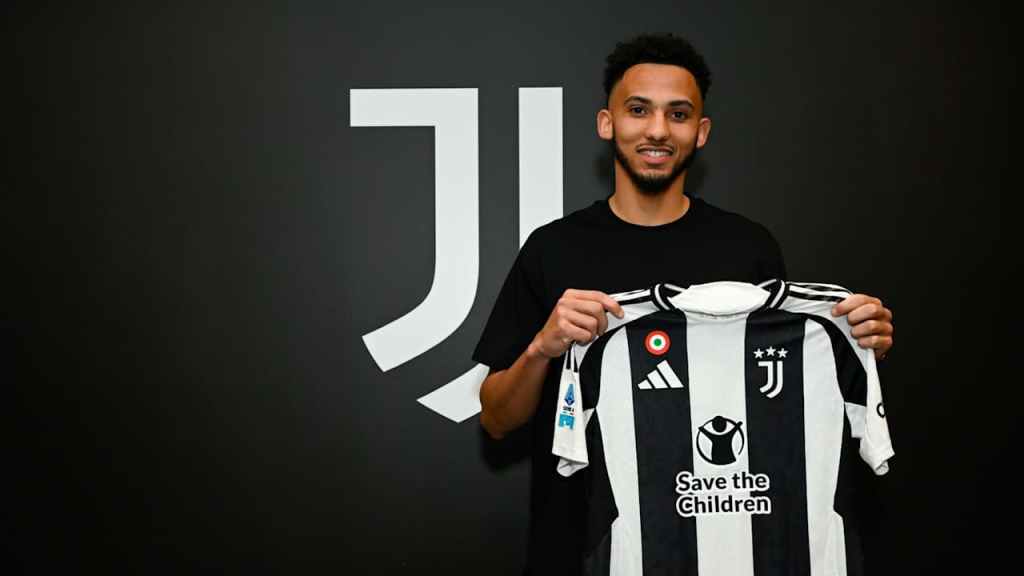
In the quest to join the elite of English football, Newcastle United is like a marathon runner stopping at a refreshment station - taking stock, and preparing for the next stage of the journey. Paying for lost time and missed opportunities, the club and its relatively new ownership group are eager to close the gap on the frontrunners at the top of the Premier League. Unlike Chelsea and Manchester City, Newcastle’s path to prosperity will not be a rapid ascent but a gradual process, marked by potential bumps in the road and periods of stagnation.
The best-case scenario in the short term includes Cup success, Champions League qualification, key players remaining at the club, and a continued upward trajectory. The worst-case scenario? Another season without a major trophy, missing out on European qualification, forced player sales, and stalled growth. However the 2024/25 season unfolds, supporters should remember this: Newcastle United is a healthier, more ambitious football club than in years past. Committed to being the best it can be - on and off the pitch - the club will tackle all obstacles with its long-term prospects in mind.

 My Point of Toon
Leave a comment